
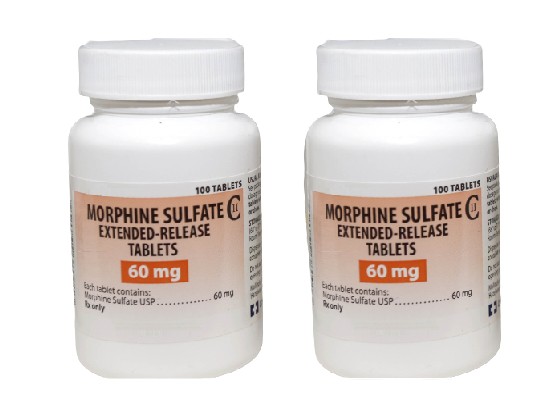
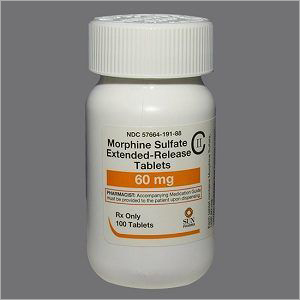
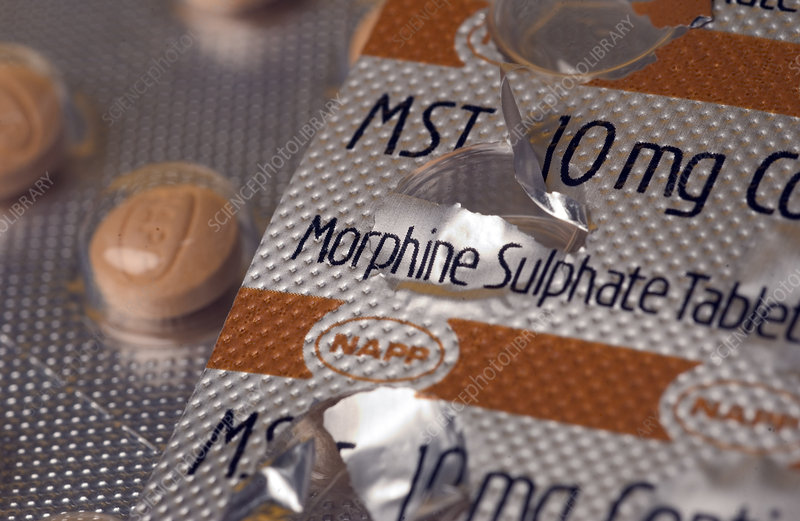
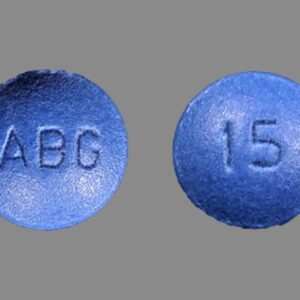
Morphine Sulphate
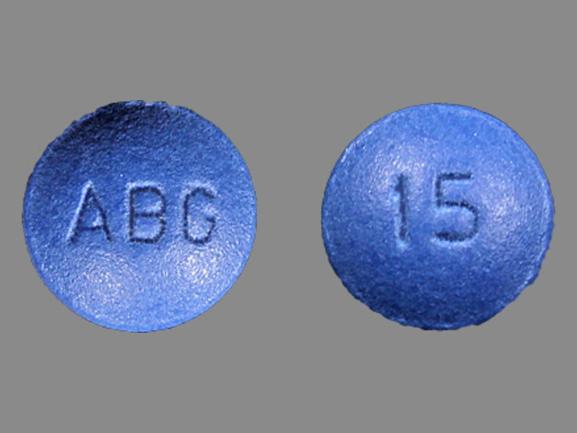
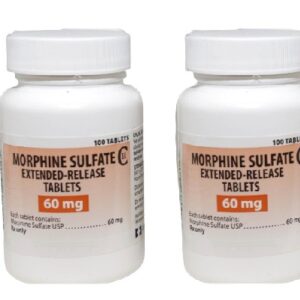
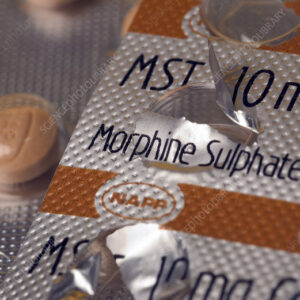
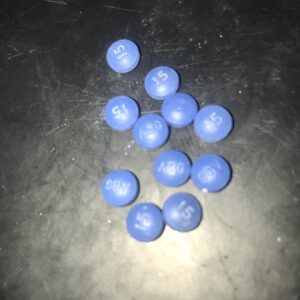
Morphine Sulphate Tablets
Morphine can be a valuable tool in managing serious pain, but it must be used with care. Close collaboration with your GP or pain specialist ensures the benefits outweigh the risks—particularly if you’re managing chronic pain, taking other sedating medications, or have a history of psychological stress or trauma.
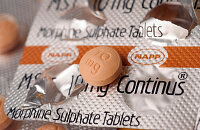
Where Can I Buy Morphine Sulphate
Morphine is used to treat moderate to severe pain when alternative pain relief medicines are not effective or not tolerated. Morphine is an opioid pain-relieving medication that usually provides significant pain relief for short-term or chronic pain.
Morphine belongs to a class of medications called opiate (narcotic) analgesics. It works by changing the way the brain and nervous system respond to pain; it does this by binding to the mu-opioid receptors within the central nervous system (CNS) and the peripheral nervous system (PNS).
It is available as oral liquid, tablets, extended-release tablets and capsules, intravenous (IV), suppositories, and epidural.
It may also be abused and may be considered contraindicated in patients with a history of substance abuse or abusing opioids.
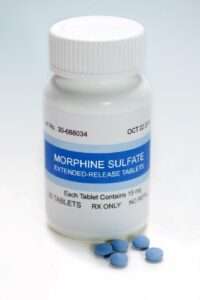
It is a Schedule 2 controlled substance under the Controlled Substances Act (CSA). This means that it has a high potential for abuse but has a currently accepted medical use as a treatment or a currently accepted medical use with severe restrictions. Abuse may lead to severe psychological or physical dependence.
Morphine Sulfate (the sulfate salt of morphine), an opiate alkaloid isolated from the plant Papaver somniferum and produced synthetically. It, derived from the poppy plant, is one of the most powerful narcotic opioids that is derived from opium. Since the finding of the opium poppy plant, humans have utilized it for medicinal and recreational effects. It has been utilized for centuries, but especially in Asia, where the plant is native.
Morphine side effects
Common morphine side effects
Common side effects include drowsiness, dizziness, tiredness, anxiety, nausea, vomiting, stomach pain, gas, or constipation, sweating, low oxygen levels (shortness of breath), feeling light-headed or feelings of extreme happiness or sadness.
Serious morphine side effects
Get emergency medical help if you have signs of an allergic reaction to morphine: hives, difficult breathing, swelling of your face, lips, tongue, or throat.
Opioid medicine can slow or stop your breathing, and death may occur, especially if you drink alcohol or use other drugs that cause drowsiness or slow breathing. A person caring for you should give naloxone and/or seek emergency medical attention if you have slow breathing with long pauses, blue colored lips, or if you are hard to wake up.
It may cause other serious side effects. Call your doctor at once if you have:
- slow heart rate, weak pulse, fainting, slow breathing (breathing may stop);
- chest pain, fast or pounding heartbeats;
- extreme drowsiness, feeling like you might pass out; or
- decreased adrenal gland hormones – nausea, vomiting, stomach pain, loss of appetite, feeling tired or light-headed, muscle or joint pain, skin discoloration, craving salty foods.
Serious breathing problems may be more likely in older adults and people who are debilitated or have wasting syndrome or chronic breathing disorders.
Seek medical attention right away if you have symptoms of serotonin syndrome, such as: agitation, hallucinations, fever, sweating, shivering, fast heart rate, muscle stiffness, twitching, loss of coordination, nausea, vomiting, or diarrhea.
Warnings
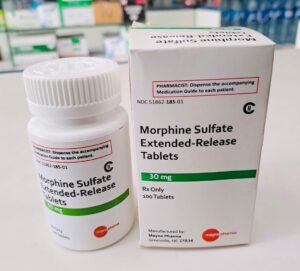
You should not take it, if you have severe asthma or breathing problems, a blockage in your stomach or intestines, or a bowel obstruction called paralytic ileus.
It can slow or stop your breathing and may be habit-forming. MISUSE OF OPIOID MEDICINE CAN CAUSE ADDICTION, OVERDOSE, OR DEATH, especially in a child or other person using the medicine without a prescription. Keep the medication in a place where others cannot get to it.
Taking opioid medicine during pregnancy may cause life-threatening withdrawal symptoms in the newborn.
Fatal side effects can occur if you use morphine with alcohol or with other drugs that cause drowsiness or slow your breathing.
| Dosage | 10mg, 30mg, 60mg |
|---|---|
| Quantity | 30 Pills, 60 Pills, 100 Pills |
Be the first to review “Morphine Sulphate”
Related products
Pain Relievers
Pain Relievers
Pain Relievers
Pain Relievers


Pain Relievers

Pain Relievers
Pain Relievers
Reviews
There are no reviews yet.