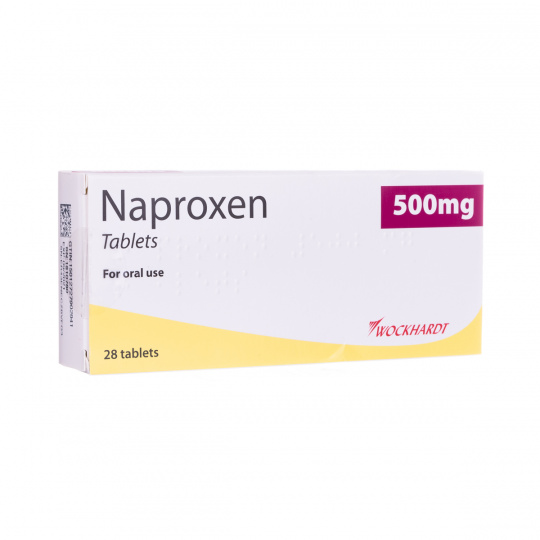



Naproxen 500mg

Price range: £20.00 through £105.00
Naproxen 250 mg
Naproxen provides effective and long-lasting pain relief from a range of inflammatory conditions. It is in a group of medicines known as Non-Steroidal Anti Inflammatory Drugs (NSAIDs).
Naproxen is available in a choice of 250mg or 500mg doses depending on your needs.

Is Naproxen 500 mg A Strong Painkiller
Naproxen is a nonsteroidal anti-inflammatory drug (NSAID) commonly used to relieve pain, inflammation, and stiffness caused by conditions such as arthritis, gout, menstrual cramps, and minor injuries. It belongs to the class of NSAIDs, which work by inhibiting the production of certain chemicals in the body that cause inflammation, pain, and fever.
Naproxen tablets are an anti-inflammatory medication. They are categorised as Non-Steroidal Anti-Inflammatory Drugs (NSAIDs), and are primarily used in the treatment of pain and inflammation.
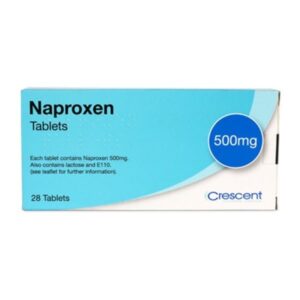
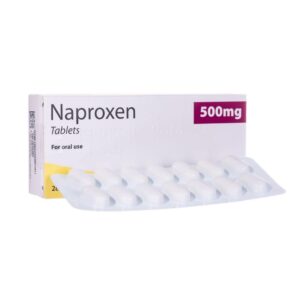
They are available in two strengths with a choice of 250mg and 500mg doses. Because they are stronger than over-the-counter pain medications, they are only available with a prescription.
It is effective in alleviating pain from a range of inflammatory conditions including:
- Arthritis
- Musculoskeletal disorders
- Gout
- Menstrual cramps
- Toothache
- Back pain
- Muscle strain
- Migraine
The benefits of Naproxen for period pain
- Pain relief: Naproxen is highly effective in providing relief from menstrual cramps and period-related pain, allowing you to go about your daily activities comfortably.
- Anti-inflammatory: It has anti-inflammatory properties, which can help reduce inflammation in the pelvic area, easing pain and discomfort.
The brand supplied may vary. Please contact us if you require a specific brand.
If you regularly take it and have a higher chance of developing a stomach ulcer, The Family Chemist recommends a PPI such as omeprazole or lansoprazole to safeguard your stomach. Please see the FAQs for more information.
How Do Naproxen Tablets Work?
Inflammation is the body’s natural response to injury or trauma. When tissues are damaged, the body produces fatty compounds called prostaglandins which trigger the body’s inflammatory response. NSAIDs like Naproxen work by blocking the enzyme cyclooxygenase (COX) which the body uses to make prostaglandins.
This results in a reduction in pain, fever and inflammation.
How To Take Naproxen
Naproxen can irritate your stomach and cause nausea in some people. Therefore, tablets should be taken with food.
Your healthcare provider will determine your dosage depending on your needs.
Generally speaking, however, for muscle, joint and tendon problems or period pain the recommended starting dose is 500mg followed by a further 250mg tablet every 6-8 hours as needed.
For conditions like arthritis or ankylosing spondylitis, the usual dose is between 500mg and 1000mg twice a day. This can be taken all at once or split in two and taken twice a day.
For gout, the usual starting dose is 750mg followed by a 250mg tablet every eight hours as required.
Older people or those with liver or kidney problems may be prescribed a lower dosage.
Always follow the prescribed instructions from your healthcare provider.
Side Effects
Like other NSAIDs, Naproxen’s most common side effects include gastrointestinal irritation including stomach pain, nausea, indigestion or heartburn. These can be mitigated by always taking it with food. Taking it over a long period of time or in large doses may cause stomach ulcers.
Gastro-resistant Naproxen tablets are available for those with sensitive stomachs.
Other common side effects include:
- headaches
- drowsiness
- changes in vision
- ringing in ears
- dizziness
- rashes
You should talk to your healthcare provider as soon as possible if you experience any of the following rare side effects:
- blood in vomit or stools
- persistent pain, diarrhoea, vomiting or weight loss
- persistent skin rashes, blisters or itching
- swelling of the throat, face, hands or feet
- chest pains
- difficulty breathing

Warnings
You should talk to your doctor before taking Naproxen if you have heart problems, have previously had a stroke, or experience any of the following conditions:
- diabetes
- high cholesterol
- high blood pressure (hypertension)
- asthma
- allergies like hayfever (and have previously experienced swelling of the face, lips, eyes or tongue)
- lumps in your nose (polyps)
- excessive sneezing
- runny, blocked, or itchy nose (rhinitis)
- kidney or liver problems
- blood clotting problems
- issues with blood vessels (arteries) anywhere in the body
- too much fat in your blood (hyperlipidaemia)
- autoimmune conditions, such as ‘systemic lupus erythematosus’, colitis or Crohn’s disease
- heart trouble or high blood pressure
- chicken pox or shingles
Naproxen is known to interact with other medications including:
- pain killers (aspirin, ibuprofen, paracetamol etc.)
- anticoagulants (warfarin, heparin or clopidogrel)
- epilepsy medications like phenytoin
- sulfonamide and antibiotics for infections (acetazolamide, indapamide, ciprofloxacin or moxifloxacin)
- diabetes medications like glimepiride or glipizide
- ‘ACE inhibitors’ for high blood pressure like cilazapril, enalapril or propranolol
- angiotensin-II receptor antagonists like candesartan, eprosartan or losartan
- diuretics for high blood pressure like furosemide
- cardiac glycosides for heart problems (e.g. digoxin)
- topical steroids hydrocortisone, prednisolone and dexamethasone
- antidepressants and treatments for mental health conditions including lithium and ‘SSRIs’ like fluoxetine or citalopram
- gout medications like probenecid
- methotrexate for treating skin problems, arthritis or cancer
- ciclosporin or tacrolimus for skin problems or organ transplants
- zidovudine (an AIDS and HIV medication)
- mifepristone (used to terminate pregnancies)
You should not take Naproxen during the first six months of pregnancy unless absolutely necessary and approved by your doctor. Do not take it if you are in the last three months of pregnancy as it may harm your baby or complicate labour. It may also make it more difficult to become pregnant.
| Dosage | 250mg, 500mg |
|---|---|
| Quantity | 28 Pills, 60 Pills, 100 Pills |
Be the first to review “Naproxen 500mg”
Related products
Pain Relievers

Pain Relievers

Pain Relievers
Pain Relievers
Pain Relievers
Pain Relievers
Pain Relievers
Reviews
There are no reviews yet.