
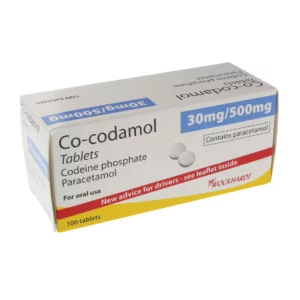
Co-codamol 30mg/500mg

Price range: £35.00 through £144.00
Co-codamol 8/500
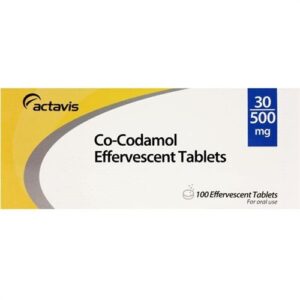
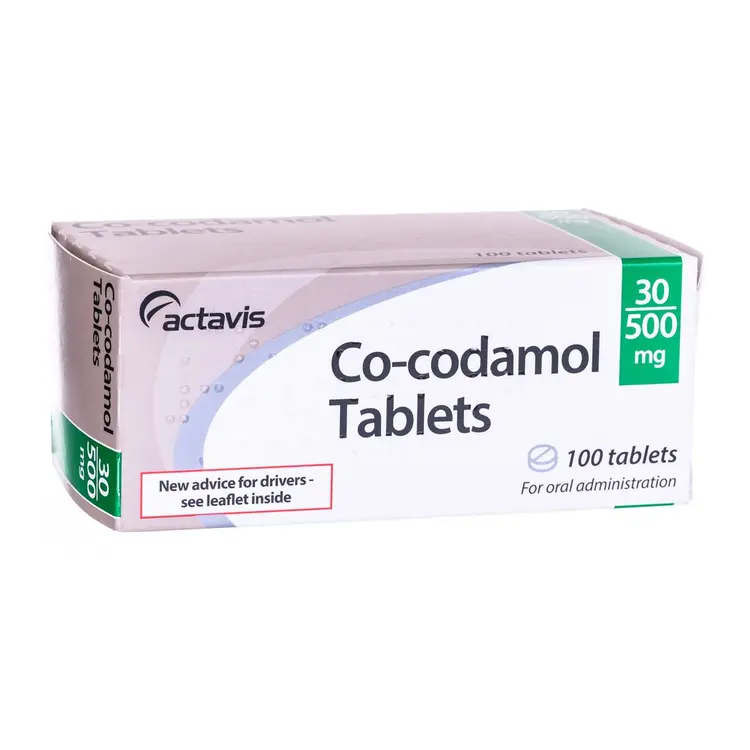
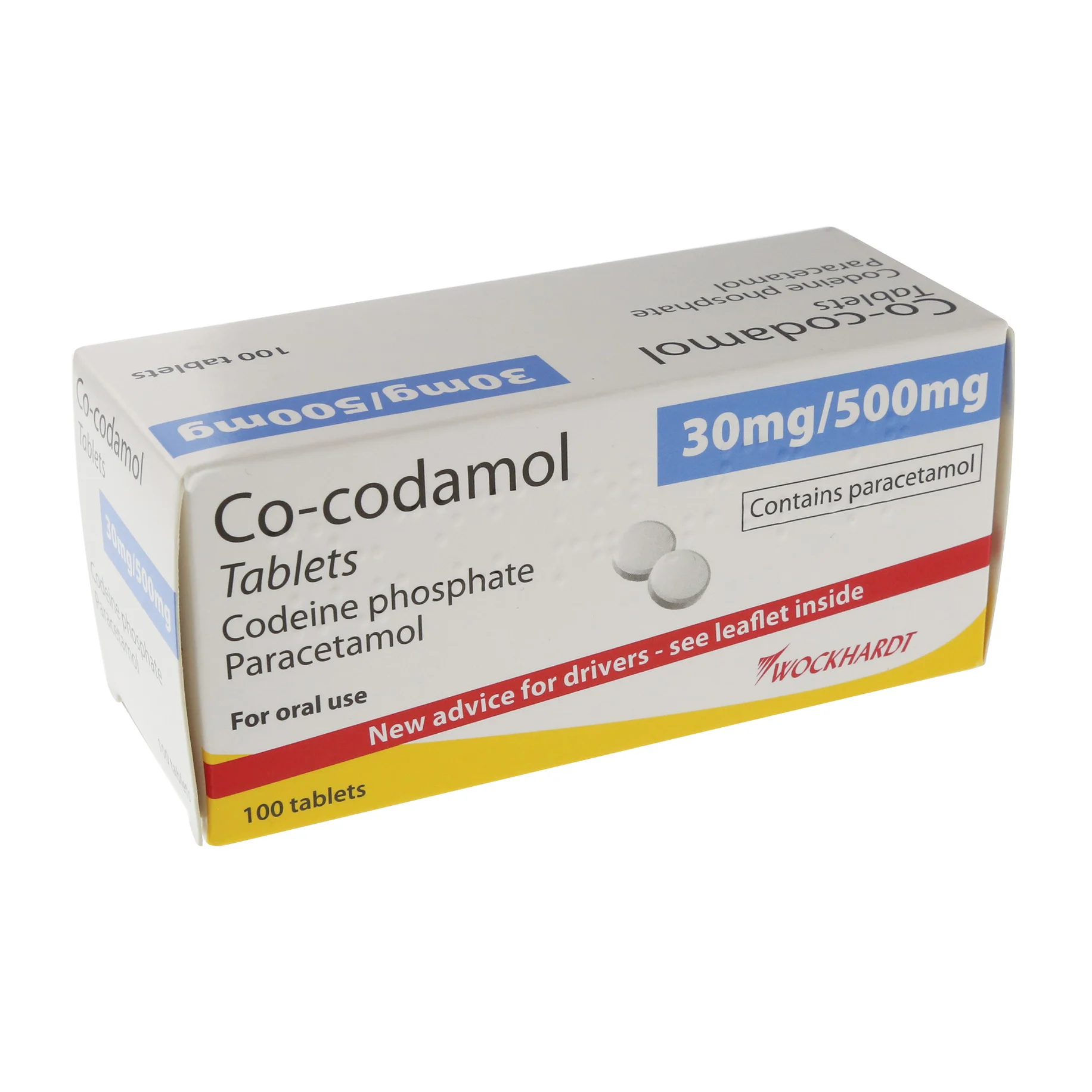
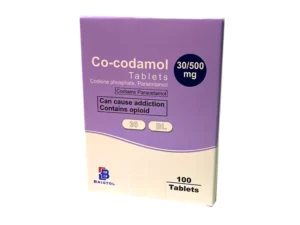
Co-codamol Tablets 30mg/500mg
Co-codamol is a pain relief preparation that contains two different medications. These medications are codeine and paracetamol. Co-codamol tablets are used for the relief of acute mild to moderate pain including muscular pain, joint pain, nerve pain, headaches, migraines, rheumatic pain and toothache. Other painkiller medications are available to treat more severe pain conditions.
- Combination of codeine and paracetamol
- Highly effective painkiller
- Works for muscle pain, migraines and period pain
- 100% genuine medication
- Shipped from registered pharmacies
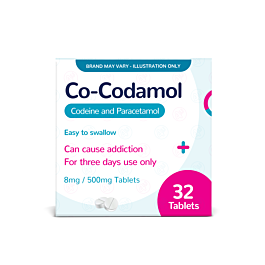
Co-codamol 8/500mg tablets are a combination painkiller containing paracetamol and codeine. Paracetamol works by blocking chemical messengers in the brain that tell us we have pain. Codeine belongs to a group of medicines called opioid analgesics which act on the brain and spinal cord to reduce the amount of pain you feel.This medication is used to relieve short-term pain where paracetamol alone is not sufficient. It is one of a group of medicines called analgesics (painkillers) that help to relieve mild to moderate pain and reduce body temperature.
Summary
| Type of drug | Opioid (opioid analgesic) |
| Health conditions prescribed for | Pain relief (muscular pain, joint pains, nerve pain, headaches, migraines, rheumatic pain and toothache) |
| Active ingredients | Codeine, Paracetamol |
| Brand names | Kapake, Solpadol, Tylex |
| Available strengths | 30/500mg |
| Available as | Tablets |
| Possible side effects | Skin irritation, difficulty peeing, abdominal cramps (tummy pain), constipation, nausea, difficulty breathing, hearing impairment, headaches |
How does Co-codamol work?
Co-codamol tablets contain both paracetamol and codeine.
Paracetamol works by blocking pain signals, reducing discomfort.
Codeine is an opioid that prevents pain messages from reaching the brain.
Combining these two ingredients can provide more effective pain relief while reducing the number of tablets needed.
- Co-codamol is a pain relief medication that combines paracetamol and codeine.
- It is prescribed when other pain relief, such as paracetamol or ibuprofen, has not worked.
- Low-dose co-codamol is available over the counter, but higher strengths require a prescription.
- Codeine can be addictive, so it’s important to limit use and consider alternative pain relief when possible.
- It is available under brand names such as Solpadol, Kapake and Zapain.
- Always read the patient information leaflet for full details on side effects and cautions.
What is the dosage ?
It comes in three strengths:
- 8mg codeine / 500mg paracetamol
- 15mg codeine / 500mg paracetamol
- 330mg codeine / 500mg paracetamol
The usual dose is 1 or 2 tablets up to 4 times a day, with at least 6 hours between doses.
Do not take more than 8 tablets in 24 hours.
Avoid other paracetamol-containing medicines while taking co-codamol.
Long-term use may lead to dependence, so follow your prescriber’s advice.
Side effects?
Like all medications, co-codamol can cause some side effects. The most common side effects include:
- Constipation
- Nausea and vomiting (feeling sick and being sick)
- Feeling sleepy (avoid driving or operating machinery if this is the case)
- Headache
- Withdrawal symptoms – including sweating, shaking, shivering, diarrhoea, loss of appetite, feeling queasy, high blood pressure, anxiety and struggling to sleep.
If these side effects are do not settle after time you should speak to a doctor or healthcare professional for advice.
Occasionally, more serious side effects can occur when taking co-codamol. Serious side effects include:
- Skin rashes
- Change in your vision
- Feeling dizzy
- Difficulty passing urine (peeing)
- Difficulty breathing (respiratory depression) – more profound in those with COPD and respiratory conditions, children, patients with liver and kidney impairment and binge drinkers
Seek medical attention if you experience severe side effects or symptoms of a serious allergic reaction.
Co-codamol may not be suitable for people with:
- Lung problems or breathing difficulties including asthma
- Obstructive sleep apnoea
- Liver or kidney disease
- A head injury
- Seizures (fits)
- Problems with your adrenal glands
- Alcohol or drug addiction, or if you drink more than 14 units of alcohol each week.
| Dosage | 8mg/500mg, 30mg/500mg |
|---|---|
| Quantity | 32 tabs, 60 tabs, 100 Tabs |
Be the first to review “Co-codamol 30mg/500mg”
Related products

Pain Relievers
Pain Relievers
Pain Relievers
Pain Relievers

Pain Relievers
Pain Relievers
Pain Relievers
Reviews
There are no reviews yet.