
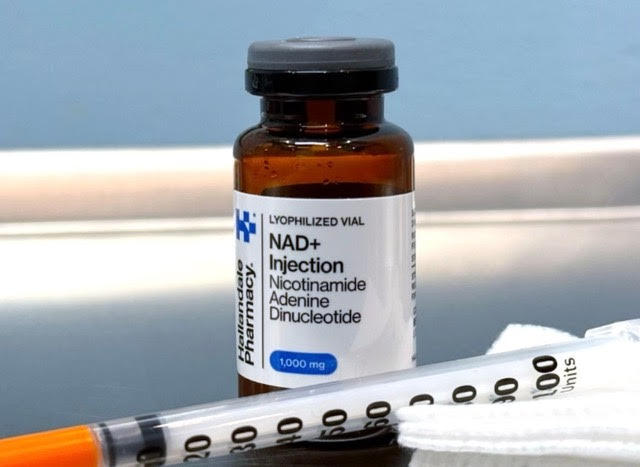
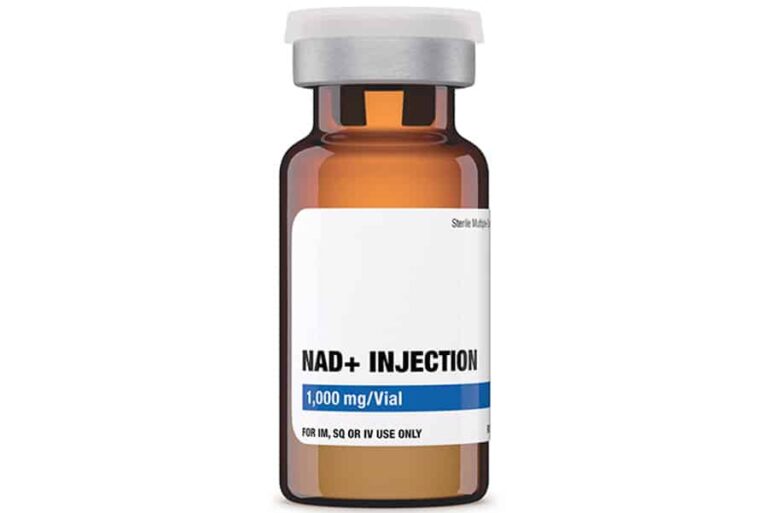


Nad+ Injections 500mg


Price range: £60.00 through £320.00
Where To Buy Nad Supplement UK
NAD+ (nicotinamide adenine dinucleotide) plays a critical role in aging. NAD+ is a coenzyme vital for energy metabolism, DNA repair, immunity, and more—for healthy aging and metabolic homeostasis.
Unfortunately, as we age NAD+ levels decrease in our bodies. While small amounts of NAD+ can be found in certain foods, exercising consistently into older age and supplementing with NAD+ has been shown to increase levels in the body to bolster your longevity at the cellular level and give you an energy boost.

Nad+ Injections 500mg – Pharmaceutical Grade Cellular Regeneration Support
Nad+ Injections is a high-purity, pharmaceutical-grade coenzyme essential for cellular energy metabolism, mitochondrial health, and DNA repair. As NAD+ levels decline with age, supplementation is increasingly studied for its ability to counteract fatigue, cognitive decline, metabolic slowdown, and loss of resilience to stress and ageing.
This 500mg vial provides a concentrated form suitable for advanced research protocols, designed to explore nad injections’s role in cellular regeneration, metabolic efficiency, neuroprotection, and healthy ageing.

Importance of Nad+ Injections In the Human Body
As stated earlier, NAD+ is crucial for a number of key physiological processes within the human body. A deficiency in NAD+, or a disruption in NAD+ homeostasis in the body, may impair these physiologic processes, which may result in different illnesses or disease conditions. Discussed below are some of the many physiologic processes that are dependent on NAD+.
1. Genomic Stability
On a daily basis, reactive oxygen species (ROS) and reactive nitrogen species (RNS) are released endogenously within the body; these substances cause damage to cellular DNA. In addition, exogenous factors such as carcinogens, chemical mutagens, as well as radiation may also result in cellular DNA damage. When cellular DNA damage occurs due to either endogenous or exogenous factors, genomic instability occurs, which may result in cancer development and an increased rate of cellular aging.
In order to minimize cellular DNA damage and its consequences, there is a process in the body known as DNA-damage response (DDR). DDR is a process that detects and repairs any damaged DNA in the body. DDR is a process that is highly dependent on NAD+; when amounts of NAD+ are low in the body, the DDR process is impaired, resulting in increased damage to the cellular DNA.
2. Genetic Expression
The means by which genetic information in cellular DNA is used to produce the relevant proteins or substances in the human body is known as genetic expression. Genetic expression is the process that is responsible for the development of all the physical features that define an individual, such as hair and skin color, among other physical characteristics.
One of the mechanisms by which genetic expression successfully occurs in the body is through modifying a product known as histones. Histone modification is a NAD+ dependent process; a deficiency in Nad+ Injections may disrupt histone modification, which may impair genetic expression. Nad+ Injections deficiency may also result in the methylation of cellular DNA so that genes are not expressed appropriately; this is known as genetic silencing.
3. Immunity and Inflammation
Studies have shown that Nad+ Injections in the human body determine the extent as well as the effectiveness of immune responses during infection. Increased levels of NAD+ during an infection increase oxidative phosphorylation in macrophages, which makes them better able to neutralize the organism causing the infection.
In addition to the increased expression of macrophages, Nad+ Injections also exerts anti-inflammatory effects during an infectious process. Studies have shown that the expression of inflammatory markers such as Tumor Necrosis Factor alpha (TNF-a) and Interleukin-6 (IL-6) significantly diminish when there are high cellular levels of NAD+ and its precursors.
4. Energy Metabolism
Several metabolic pathways in the human body result in the release of energy. Some examples of the energy metabolic pathways are glycolysis, tricarboxylic acid (Krebs) cycle, oxidative phosphorylation, fatty acid oxidation, and ethanol metabolism. All the energy metabolic pathways require the presence of NAD+ as a coenzyme to function properly. In the glycolytic pathway, NAD+ facilitates the catalytic reactions of Glyceraldehyde-3-phosphate dehydrogenase (GADPH) and lactate dehydrogenase (LDH).
In the Krebs cycle, NAD+ functions as a coenzyme for the rate-limiting enzymes alpha ketoglutarate dehydrogenase, isocitrate dehydrogenase, and malate dehydrogenase. Alcohol metabolism, which occurs in liver cells, also requires NAD+ as a cofactor for the process’s successful execution. A deficiency of NAD+ in the body may impact all these processes and negatively impact the effectiveness by which energy is generated and utilized by the body.
5. Circadian Clock
The circadian clock, also known as the biological clock or circadian rhythm, is an internal endogenous process that regulates the sleep-wake cycle in the human body. This internal clock helps the body adjust to different times of the day or the different seasons. The accuracy and effectiveness of the circadian clock are due in part to cellular levels of NAD+. A deficiency of NAD+ may disrupt the circadian rhythm and result in effects such as daytime sleepiness, restless sleep, hormonal imbalances, and mood alterations, among others.
6. Cardiovascular Function
The heart is the most metabolically active organ in the human body because it is constantly beating. Studies have shown that normal NAD+ levels are essential in maintaining the metabolic activity of the heart. Furthermore, in the event of a significant cardiac event such as a transient ischemic attack or myocardial infarction, normal levels of nad supplement help in the recovery from injury. Other studies have shown that a deficiency in NAD+ may result in cardiac disorders such as cardiac hypertrophy and fibrosis.
7. Kidney Function
Generally, renal function has a tendency to decrease as people get older. It is suspected that reduced levels of NAD+ in the elderly may have a role to play in the reduction in renal function. Research has indicated increased protection against acute renal injury when individuals were given NAD+ supplements. In addition, NAD+ supplements stimulated the release of prostaglandin E2, which serves to improve renal function after an acute renal injury.
8. Liver Function
Normal NAD+ levels in the body are essential for the optimal functioning of the liver. Specific enzymes in the NAD+ pathways protect the liver from conditions such as hepatic fibrosis, nonalcoholic fatty liver disease, and nonalcoholic steatohepatitis. Several studies have been performed that show that giving individuals NAD+ supplements may boost the liver’s overall health, protect it from toxic illnesses, and enhance its capacity for regeneration after a hepatic injury.
9. Neurological Function
NAD+ and its precursors have been shown to have a protective effect on the neurons in the brain after a significant neurological event such as a stroke. Having normal levels of NAD+ in the body is essential to the normal functioning and survival of cerebral neurons. Additionally, NAD+ supplements have shown some benefits in treating and preventing some neurodegenerative diseases such as Alzheimer’s disease; this is not definite, however, and there are several ongoing studies still exploring this possibility.

| Dosage | 5000Mg, 1000Mg |
|---|---|
| Vials | 1 Vial, 2 Vials, 4 Vials |
Be the first to review “Nad+ Injections 500mg”
Related products


Peptides

Peptides

Peptides


Peptides


Peptides

Peptides


Peptides
Reviews
There are no reviews yet.